September 22, 2026
Leaving valuables inside a vehicle can create an unfortunate security risk, particularly when those items are visible through the windows. A laptop bag, electronics, shopping bags, or other possessions may attract unwanted attention when a vehicle is parked. While no security measure can completely prevent theft, reducing visibility into the cabin can make a vehicle less appealing to someone looking for an easy opportunity. Car window tint can provide this added layer of discretion while also offering several practical benefits for drivers.
From improving privacy to blocking sunlight and reducing interior temperatures, properly installed tint can serve purposes that go well beyond appearance. However, it is important to understand how dark tint works, what it can realistically accomplish, and which legal restrictions apply.
What Is Car Window Tinting and How Does It Work?
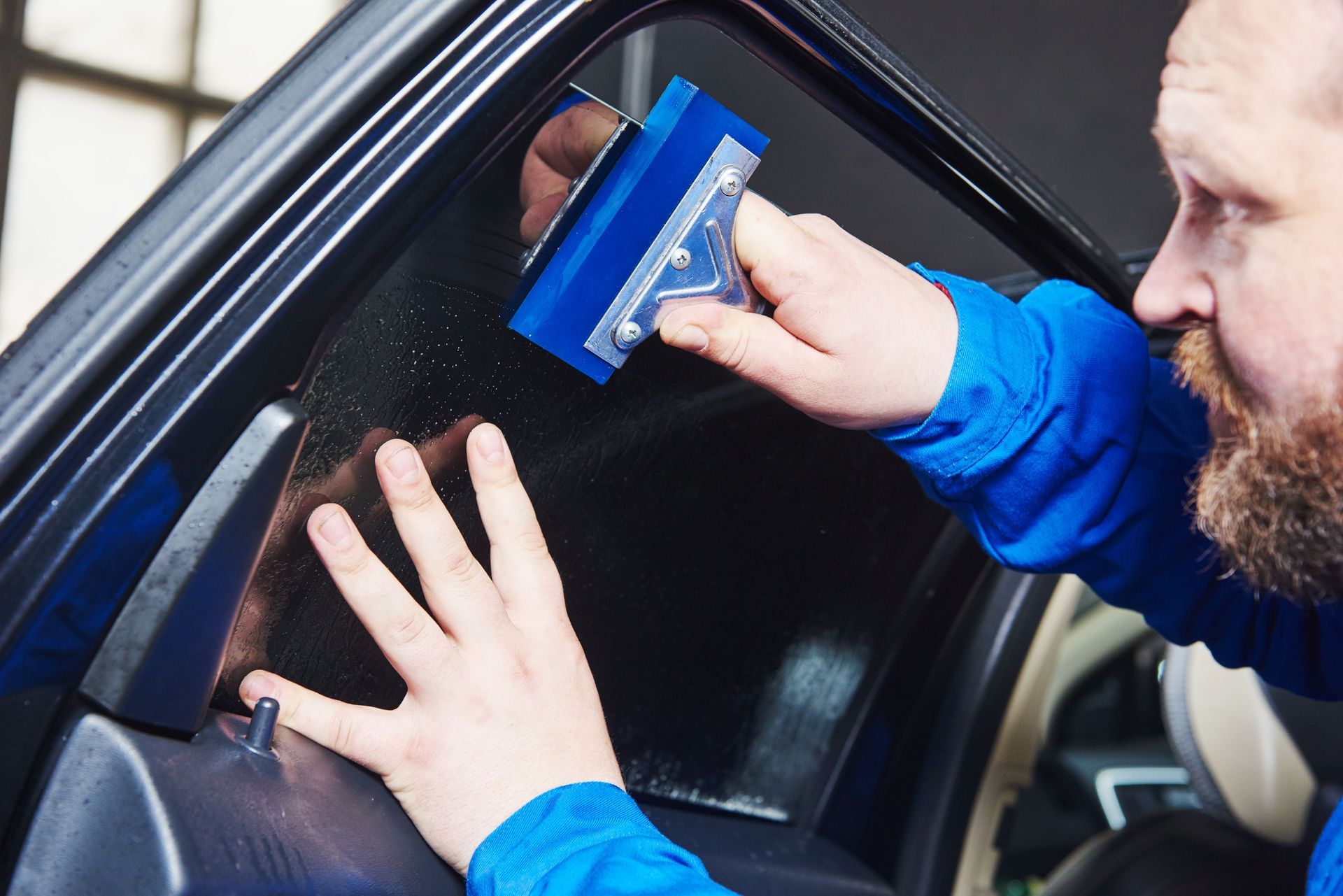
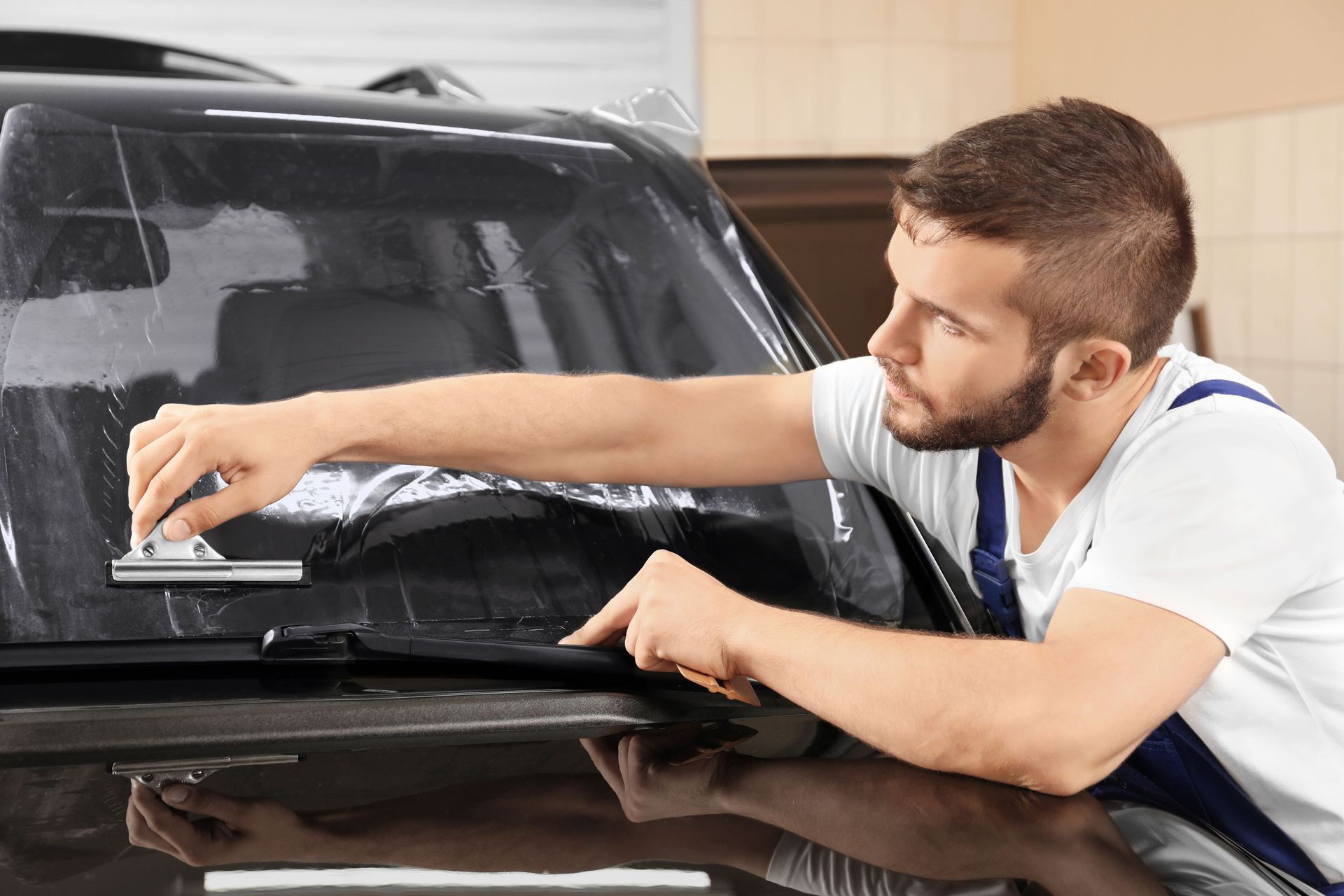
Car window tinting involves applying a thin, tinted film to the interior surface of a vehicle's windows. These films are available in different shades and materials, allowing drivers to choose how much visible light they want the windows to transmit. Common options include dyed, metallic, carbon, and ceramic films, each offering different combinations of appearance, heat rejection, durability, and performance.
The darkness of a tint is generally described by its visible light transmission, or VLT, percentage. A higher VLT allows more light through and produces a lighter appearance, while a lower VLT creates a darker window. Consequently, dark window tint can make it substantially harder for people outside the vehicle to see what is inside.
That reduced visibility is particularly useful when valuables are stored in the passenger compartment. A potential thief cannot easily determine whether a vehicle contains something worth stealing if the interior is difficult to see. Car window tint therefore works primarily by reducing visual exposure rather than physically preventing someone from entering the vehicle.
How Does Dark Window Tint Enhance Privacy?
Privacy is one of the most straightforward benefits of darker automotive glass. Without tint, people standing outside a parked vehicle may be able to see seats, floorboards, center consoles, and items left in plain sight. Darker film reduces the amount of light passing through the glass, making the interior less visible from outside.
This can be especially valuable in busy parking lots, where vehicles are surrounded by pedestrians and other cars. Someone walking past may have little reason to pay attention to a vehicle with a heavily obscured interior. Even when valuables are present, they may be difficult or impossible to identify through the glass.
The effect can vary depending on lighting conditions. Dark tint generally provides greater privacy during the daytime when the exterior is brighter than the interior. At night, interior lights can make the cabin more visible from outside, meaning tint should not be treated as an absolute privacy barrier.
According to Gitnux, people between ages 25 and 44 make up 62% of U.S. window tinting customers, with urban millennials representing a significant portion of consumers interested in vehicle customization. This reflects how tint can combine aesthetic preferences with practical considerations such as privacy and comfort.
Does Window Tint Really Deter Theft?
Dark tint can potentially discourage opportunistic theft, but it should not be considered a substitute for basic vehicle security. The primary advantage is that it makes the contents of a vehicle less obvious. A thief who cannot see a laptop, bag, or other potentially valuable object has less information to act on.
This matters because many vehicle thefts and break-ins are opportunistic. Someone may walk through a parking area looking for vehicles with visible belongings and choose a target based on what they can see. Removing that visual information can make the vehicle less attractive compared with an otherwise similar vehicle where valuables are clearly displayed.
However, there is an important distinction between deterrence and prevention. Dark car window tint will not stop someone who has already decided to break into a particular vehicle. A thief may still recognize a desirable vehicle, notice other signs that something valuable could be inside, or simply break a window without knowing what is present.
For that reason, drivers should combine tint with other precautions. Keeping valuables out of sight, locking the vehicle, parking in well-lit areas, and using an alarm or other security features can provide more comprehensive protection. Tint is best viewed as one part of a broader strategy rather than a standalone security system.
Are There Legal Limitations to Car Window Tinting?
Before installing car window tint, drivers should check the laws that apply where they live and drive. Tint regulations vary significantly by state and can establish different requirements for the windshield, front side windows, rear side windows, and rear windshield.
Many jurisdictions restrict how dark tint can be on front windows because drivers and law enforcement need adequate visibility through those areas. Some locations also impose restrictions on reflective films or establish special rules for certain vehicles. Medical exemptions may be available in some states, but they typically have specific requirements.
The fact that a particular shade of tint is available for purchase does not necessarily mean it is legal to install on every window. Professional installers should be familiar with local requirements, but vehicle owners should also verify the applicable regulations themselves.
What Are the Additional Benefits of Car Window Tint?
Security and privacy are only part of the reason drivers choose window film. One of the biggest additional advantages is protection from ultraviolet radiation. Quality films can block a significant amount of UV radiation, helping reduce exposure for occupants and slowing the long-term deterioration of interior materials.
Tint can also reduce heat entering the cabin. This is particularly noticeable when a vehicle sits in direct sunlight. By limiting solar energy entering through the glass, certain films can help the interior remain more comfortable and potentially reduce the workload placed on the air-conditioning system.
Glare reduction is another practical benefit. Sunlight reflecting off surrounding vehicles, pavement, snow, or other surfaces can make driving uncomfortable and temporarily impair visibility. A properly selected tint can reduce some of that glare without requiring the driver to wear sunglasses constantly.
Different film technologies can produce different results. For example, ceramic films are designed to provide strong heat rejection without necessarily requiring an extremely dark appearance. This can be useful for drivers who want the performance advantages of tint while remaining within legal VLT requirements.
How Should You Choose the Right Window Tint?
The best tint is not necessarily the darkest tint available. Drivers should consider their local laws, nighttime visibility, desired privacy, climate, and the specific performance characteristics of the film.
For someone primarily concerned about protecting valuables, moderate-to-dark tint on legally permitted windows may provide useful privacy without unnecessarily compromising visibility. Drivers who frequently travel at night may prefer a lighter film, particularly on the front windows.
Film quality is also important. A poorly manufactured or improperly installed product may develop bubbling, discoloration, peeling, or other problems over time. Professional installation can produce a cleaner appearance and help ensure the film performs as intended.
Ultimately, car window tint works best when its security benefits are considered alongside its other advantages. It can make valuables less visible, reduce the temptation for opportunistic theft, improve privacy, and make the cabin more comfortable. At the same time, drivers should remember that tint cannot physically prevent a break-in.
Dark window tint can provide a simple way to reduce the visibility of valuables inside a vehicle while offering several additional benefits. By limiting the view into the cabin,
car window tint can remove some of the visual information that may attract opportunistic thieves. It can also improve privacy, reduce heat and glare, and help protect interior materials from UV exposure.
The key is to select an appropriate film and follow local regulations governing window darkness and reflectivity. When combined with sensible habits such as removing valuables from sight and locking the vehicle, properly installed tint can be a useful addition to an overall vehicle security strategy. If you're looking for window tint, reach out to the team at HD Car Stereo today!