August 20, 2026
Auto tint isn't just an aesthetic addition to vehicles; it plays a critical role in protecting the vehicle's interior from the sun's harmful effects. Understanding the mechanics of how tint works to safeguard interiors can help vehicle owners make informed decisions about its installation. Beyond enhancing the vehicle's appearance, auto tint significantly reduces interior temperatures and shields components from UV-induced degradation. Additionally, by safeguarding interiors, vehicle owners can maintain their car's resale value and ensure greater passenger comfort. This article delves into the various protective aspects of auto tint, breaking down the science behind its effectiveness and offering insights into its comprehensive benefits.
The Basics of Auto Tint
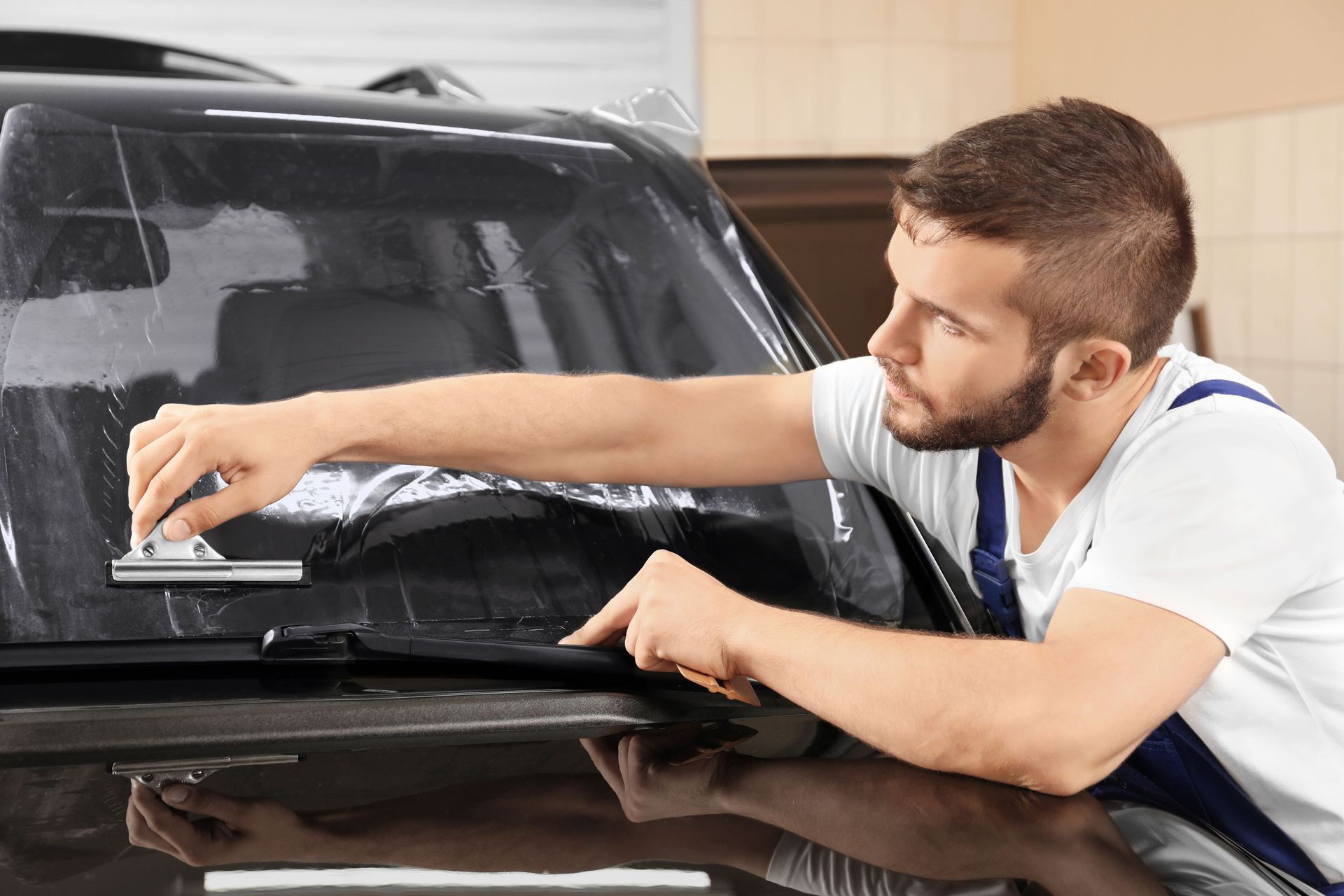
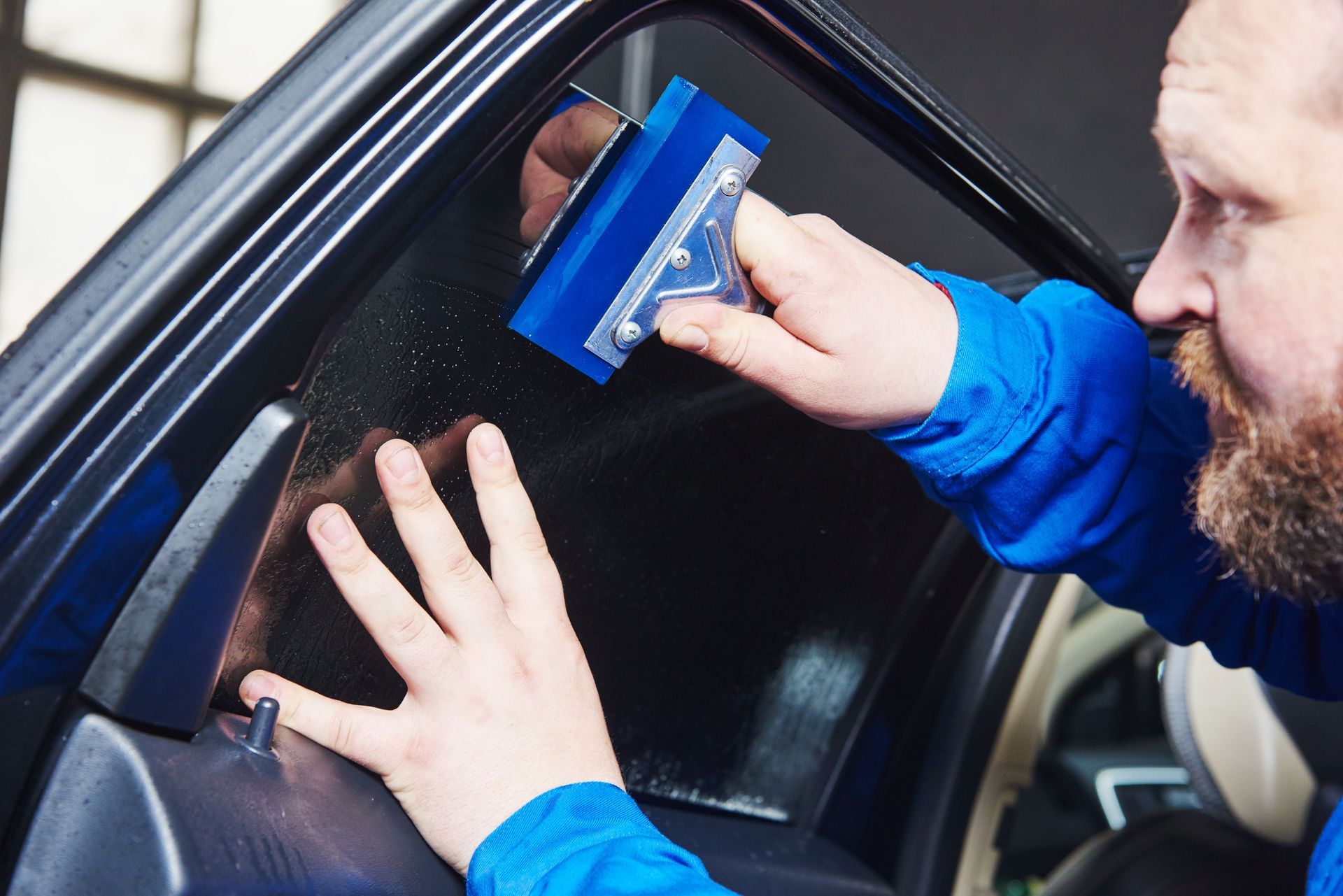
Window tint film is crafted from several layers of polyester designed to achieve specific light transmission, reflectiveness, and absorbance. These films are created using a process that involves embedding dyes, metals, or ceramics to manage light and heat transfer. The primary purpose of tint film is to block a portion of visible light and nearly all the sun's ultraviolet (UV) rays, thereby offering protection and comfort. Tint films vary in their percentage of visible light transmission (VLT), with darker tints allowing less light to pass through. By reducing glare and enhancing privacy, tint films fulfill both functional and aesthetic roles.
It is crucial for vehicle owners to understand that window tinting is subject to regional laws and regulations that dictate allowable tinting levels. According to Future Market Insights, most states mandate a minimum of 70% visible light transmission for front windows, although requirements differ by state. These laws are intended to ensure visibility and safety while driving, as excessively dark tints can hinder driver vision, especially at night. Motorists must comply with these regulations or face fines, removal requirements, or both, which can be inconvenient and costly. Hence, consulting local legal codes before tinting is an essential step for compliance and peace of mind.
Diverse kinds of window tints are available, each offering unique benefits and characteristics suited to different needs. Dyed tints primarily absorb solar heat and UV radiation, offering a non-reflective finish. Metalized tints contain tiny metallic fragments that reflect heat and UV rays, providing superior heat rejection but potentially interfering with electronic signals. Carbon tints eliminate signal interference and provide outstanding UV protection with a sleek, dark finish that remains fade-resistant. Ceramic tints are the most advanced, offering excellent UV and infrared heat rejection, durability, and clarity without any metal, thus preventing signal disruption.
One of the principal benefits of window tinting is its ability to reject heat, resulting in a cooler interior atmosphere. Tints achieve this by blocking the transmission of solar energy into the vehicle, reducing the "greenhouse effect" that leads to oven-like conditions. Furthermore, window tints are designed to filter out up to 99% of UV rays, thereby protecting passengers and upholstery from harmful radiation. This UV filtration minimizes skin damage and reduces fading of the fabric and materials inside the car. Thus, tint films play an essential role in maintaining the longevity and comfort of a vehicle’s interior by combating the adverse effects of solar exposure.
Impact of Sun Damage on Vehicle Interiors
The sun's ultraviolet rays are notorious for their ability to cause fading and deterioration of a vehicle’s interior upholstery. Prolonged exposure to UV radiation can lead to noticeable color loss in fabrics and leather, diminishing the car's visual appeal. This fading effect occurs as UV photons break down the chemical bonds in dyes, leading to faded and splotchy appearances. Over time, this degradation can contribute to weakening of the fabric and increased susceptibility to tears and wear. By filtering out UV rays, window tints play a vital role in preserving the aesthetic quality and integrity of interior materials.
Direct sunlight and high temperatures can cause dashboards to crack, warp, and lose their shape over time. The materials used in dashboards, predominantly plastics and synthetic compounds, expand and contract with temperature changes, leading to stress fractures. Furthermore, heat build-up can cause adhesive materials to soften, resulting in parts detaching or deforming. Auto tint mitigates this risk by regulating interior temperatures and blocking direct UV exposure, maintaining the structural integrity of dashboard components. This protective measure ensures that vehicle interiors remain intact and visually appealing for longer periods.
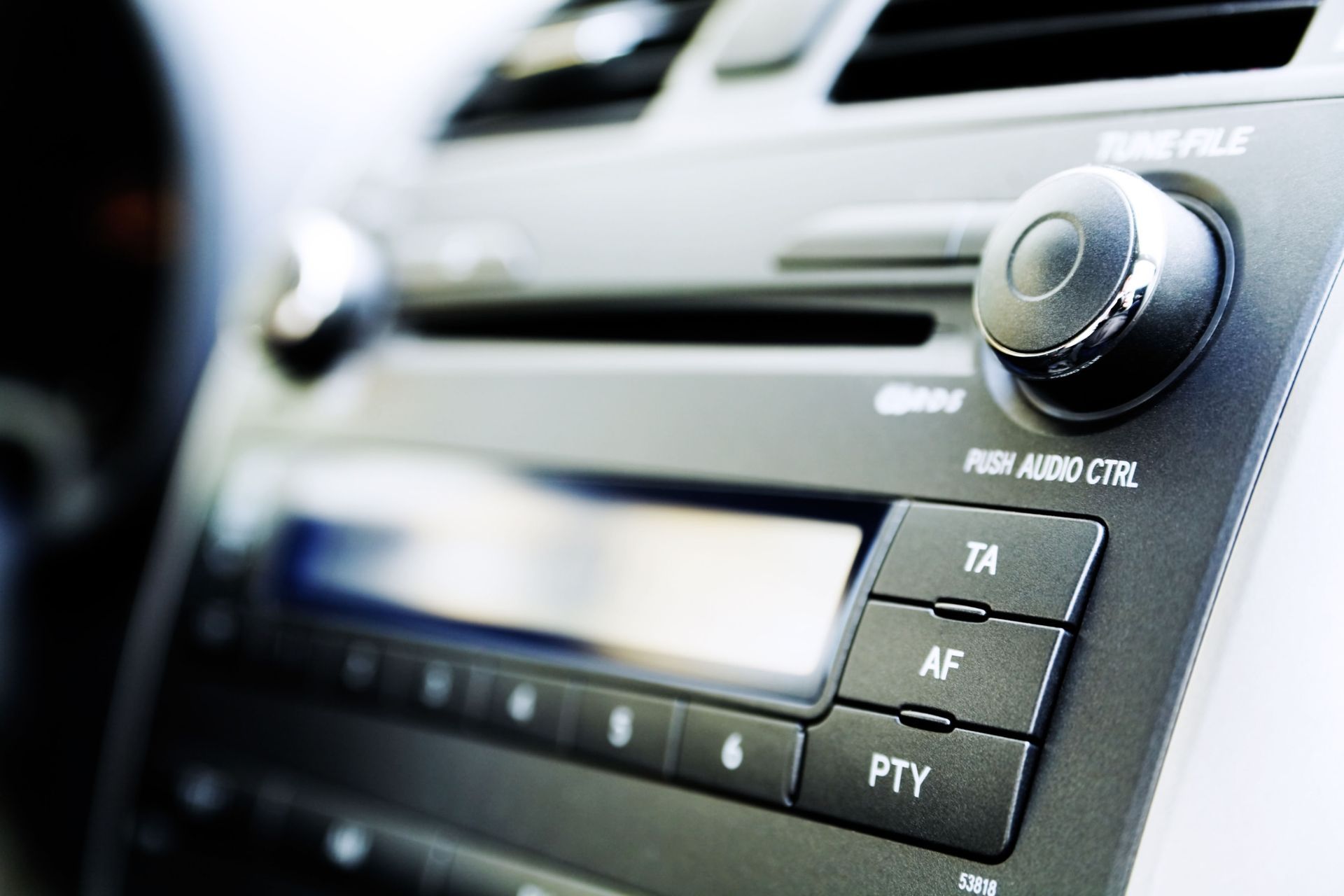
Modern vehicles are equipped with extensive electronic controls and systems, which can be quite sensitive to heat and UV exposure. Prolonged exposure to extreme temperatures can lead to malfunctions, reduced efficiency, and premature failure of components such as touch screens, radios, and navigation systems. Excessive sunlight can damage these components' plastic casings and internal electronics, resulting in costly repairs or replacements. By reducing interior temperatures and limiting UV exposure, tints help protect electronic systems and ensure their continued functionality and reliability. Thus, investing in quality window tinting can prevent undue wear on these critical components, saving future repair expenses.
Benefits of Auto Tint in Protecting Interiors
One of the standout benefits of auto tint is its ability to significantly lower the cabin's internal temperature. By restricting the entry of solar heat, window tints provide an immediate cooling effect, reducing the sun's intensity penetrating the car windows. This not only enhances passenger comfort but also creates a more pleasant environment for the driver's interactions. A cooler interior also diminishes the need to run air conditioners at full capacity, saving fuel and contributing to the vehicle's overall efficiency. Ultimately, the reduction in internal temperature ensures that every ride starts on a comfortable note, regardless of how long the car has been parked under the sun.
Auto tints play a crucial role in maintaining the interior appearance by shielding it from sun damage that can mar surfaces over time. Fabrics, leathers, and plastics all benefit from reduced UV exposure, maintaining their color, texture, and structural integrity for longer. This preservation effect means that car interiors retain their appeal, keeping them looking newer and more pristine over the vehicle's lifetime. Regular passengers will appreciate the maintained vibrancy and quality of the surroundings, contributing to a more enjoyable ride. Therefore, tinting not only serves a practical purpose but also contributes aesthetically by prolonging the showroom appeal of interior components.
Environmental control through window tinting extends the lifespan of materials by minimizing wear and tear attributed to sunlight exposure. Components that usually succumb to sun-induced deterioration, such as dashboards and leather seats, benefit from reduced direct UV impact. This protection translates into fewer repairs and replacements, which can be particularly costly in high-end luxury vehicles where premium materials are used. Through effective UV filtration, window tints help sustain material quality, ensuring that components remain functional and attractive over time. As a result, vehicles with tinted windows often face fewer maintenance issues related to UV damage, leading to long-term ownership satisfaction.
The comfort of both driver and passengers is greatly improved with the installation of quality window tints, especially during hot weather conditions. Auto tints foster a cooler, more relaxed ambiance by mitigating glare and moderating internal temperatures, which can be disrupted by harsh sun exposure. By minimizing glare, tints also protect passengers’ eyes, reducing strain and enhancing visibility for a safer driving experience. This heightened comfort level translates into a positive travel experience, making long journeys more bearable and short trips more pleasant. Overall, tinting reinforces the perception of a modern vehicle interior that attends to passenger well-being and satisfaction.
Auto tint is far more than a visual upgrade—it is a critical protective measure for preserving your vehicle's interior. By blocking up to 99% of harmful ultraviolet rays and significantly reducing solar heat gain, quality tint acts as a shield against upholstery fading, dashboard cracking, and premature electronics failure. Beyond aesthetic preservation, the reduced cabin temperature improves passenger comfort and lessens the burden on your air conditioning system, driving down fuel consumption and long-term maintenance costs. Whether choosing carbon, ceramic, or emerging smart tint technologies, investing in professional installation ensures your vehicle remains comfortable, efficient, and well-preserved for years to come. Call HD Car Stereo today for more.